Definition:
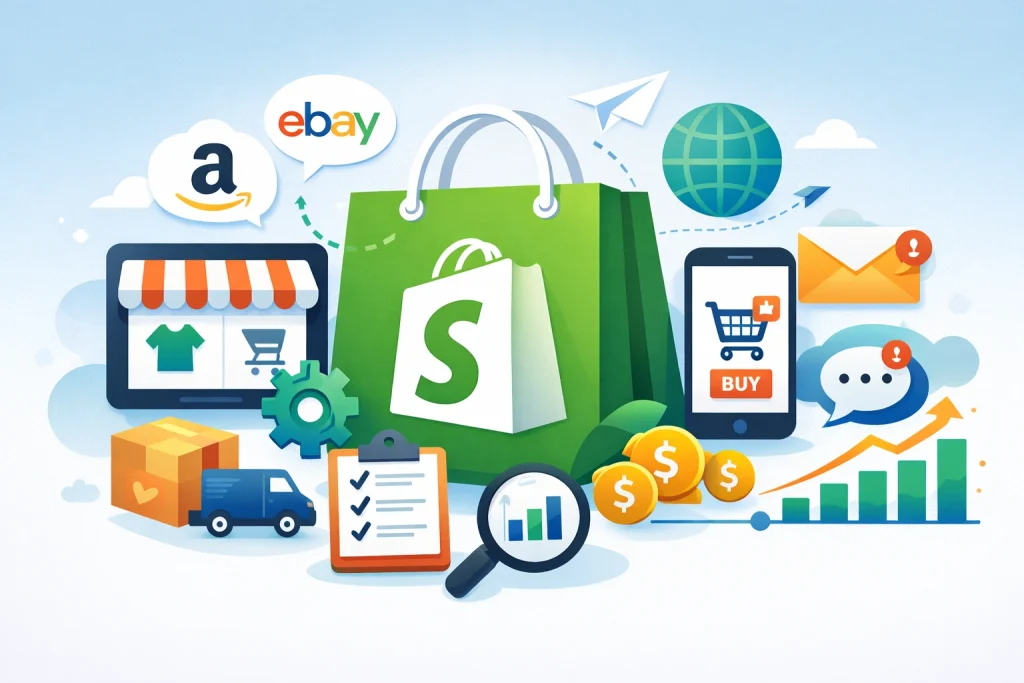
Multi-channel Shopify apps let merchants sell on multiple platforms (such as Amazon, eBay, and social media) while managing operations, marketing, and conversions from one system.
Why it matters:
Selling on multiple channels can increase revenue potential, but it can also create complexity without the right apps. The right apps enhance efficiency, increase conversions, and lower operational costs.
Key benchmarks:
- 20–40% time savings from automation
- 10–30% increase in conversion rates
- 15–25% growth in revenue from multi-channel expansion
What this article covers:
- 7 must-have Shopify apps for multi-channel sellers
- Features, pricing, and best use cases
- How these apps work together as a system
- ROI breakdown and efficiency gains
- Common mistakes and failure points
- Future trends in multi-channel commerce
Overview
Multi-channel selling is no longer optional in 2026. Today’s Shopify merchants don’t just sell on one platform; they sell everywhere their customers are:
- Shopify
- Amazon
- eBay
- Social platforms like Instagram and TikTok
This expansion creates opportunity, but it also introduces serious operational challenges.
Core problems
- Disconnected systems that don’t sync properly
- Inventory mismatches across channels
- Slow customer support responses
- Time-consuming manual workflows
Emotional + business pain
Many merchants feel stuck juggling tools all day:
“Too many tabs, too many tools, too many errors.”
And the cost is real: missed orders, delayed responses, and lost sales.
Multi-channel growth should increase revenue, not complexity. The right Shopify apps turn chaos into a streamlined, revenue-generating system.
Top Shopify Apps for Multi-Channel Sellers (Comparison Table)
| Apps | Best For | Top Features | Pricing |
| Zipchat | Conversions + customer engagement | AI product recommendations, proactive chat, cart recovery conversations, automated support, WhatsApp integration | From $49/month |
| M2E Multichannel Connect | Sellers scaling across multiple marketplaces | Syncs products, inventory, and orders across Amazon, eBay, Walmart, TikTok Shop, Temu; real-time updates; multichannel listing; centralized order management | Free plan available (paid from $39/month) |
| ShipStation | Fulfillment & shipping automation | Centralized order management, shipping automation rules, carrier rate comparison, discounted rates, real-time tracking | From $14.99/month |
| Klaviyo | Retention & multi-channel marketing | Email & SMS automation, advanced segmentation, personalized messaging, campaign analytics | Free plan available; custom-based pricing |
| Judge.me | Trust & social proof | Product reviews, photo/video reviews, automated review requests, SEO-rich snippets | Free plan available (paid from $15/month) |
| ReConvert | Post-purchase revenue expansion | Thank-you page funnels, upsell & cross-sell offers, AOV optimization, funnel customization | From $19.99/month |
| Wiser | AI recommendations & upselling | AI-driven recommendations, frequently bought together, upsell widgets, analytics dashboard | Free plan available; enterprise plan |
What Multiple Channels Efficiency Really Means
Efficient multi-channel selling is not about doing more work; it’s about doing the right work with less effort.
Centralized Operations of the Online Stores
It becomes way easier to manage multiple platforms when orders, inventory, and product listings are all controlled from one place. It helps minimize errors and save time.
Automation Across Channels
Instead of manually updating stock or processing orders, repetitive processes are automated. That keeps all the information aligned with minimal supervision.
Consistent Customer Support
Customers expect the same customer experience everywhere. Whether they shop on Shopify or Amazon, they should get fast responses, accurate delivery, and smooth communication.
Faster Decision-Making
With real-time data across all channels, merchants can quickly identify what’s working and fix what’s not without delays.
Core concept:
Efficiency = Revenue per hour worked
The more you automate and streamline, the more revenue you generate for every hour invested.
Core Value: How Multi-Channel Apps Drive Growth
Multi-channel Shopify apps are not just tools. They are growth drivers. Each contributes to driving revenue and decreasing operational friction.
1. Channel Expansion
Multi-channel apps, like M2E Multichannel Connect, allow you to sell on platforms like Amazon, eBay, Walmart, and more. They help you reach more customers without building new stores or manually transferring product information from scratch.
2. Conversion Optimization
More traffic means nothing without sales. Tools like Zipchat help turn visitors into buyers through real-time conversations, product recommendations, and guided shopping.
3. Retention & Marketing
With platforms like Klaviyo, you can automate email and SMS campaigns to bring customers back and increase repeat purchases.
4. Trust Building
Customers are more likely to buy when they see real feedback. Apps like Judge.me provide reviews and social proof that boost confidence and conversions.
5. Revenue Expansion
Upselling and cross-selling tools like ReConvert and Wiser increase average order value without needing more traffic.
6. Fulfillment Efficiency
Shipping and logistics tools like ShipStation ensure orders are processed quickly and accurately, improving customer satisfaction and reducing support requests.
Top 7 Shopify Apps for Multi-Channel Sellers (Detailed Breakdown)
1. Zipchat (Best for Conversions + Customer Engagement)
What it is
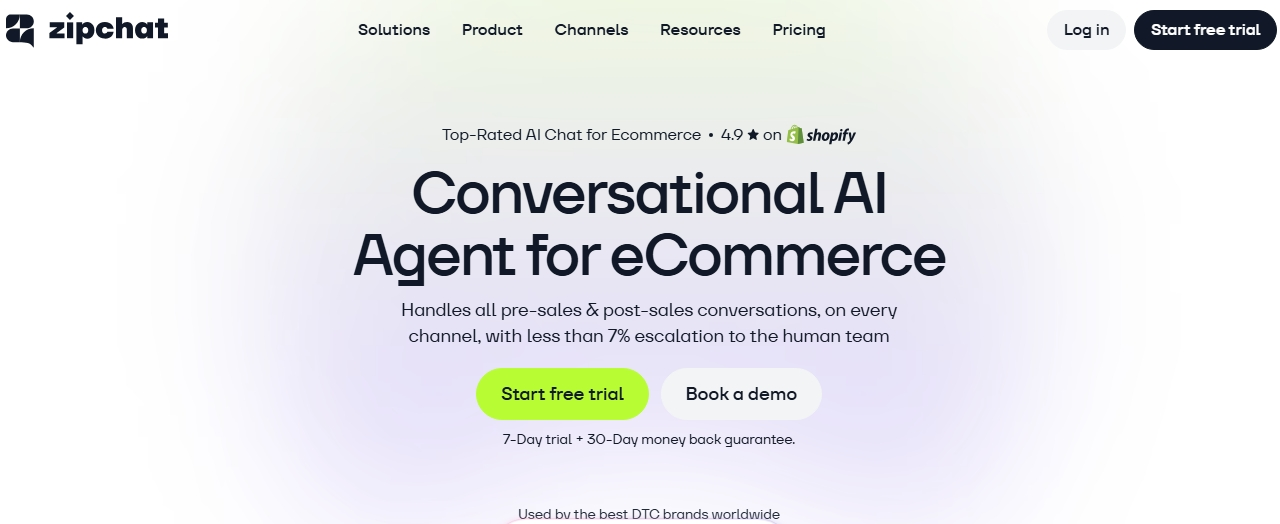
Zipchat is an AI-powered chatbot built for Shopify stores that engages visitors in real time, answers questions, and recommends products based on behavior and store data. Its working is pervasive across the channels, enabling a seamless shopping experience & lowering support workload. But, more relevantly, it’s a conversion engine that turns multi-channel traffic into tangible revenue growth.
Best for
Improving conversions while automating customer engagement and support.
Key features
- AI product recommendations
- Proactive chat engagement
- Cart recovery conversations
- Automated customer support
- WhatsApp integration
Pricing
Starts at $49/month, with a free trial available.
Ideal store type
Fast-growing brands, high-traffic stores, and multi-channel sellers looking to increase conversion efficiency.
2. M2E Multichannel Connect (Best for Multichannel Automation)
What it is
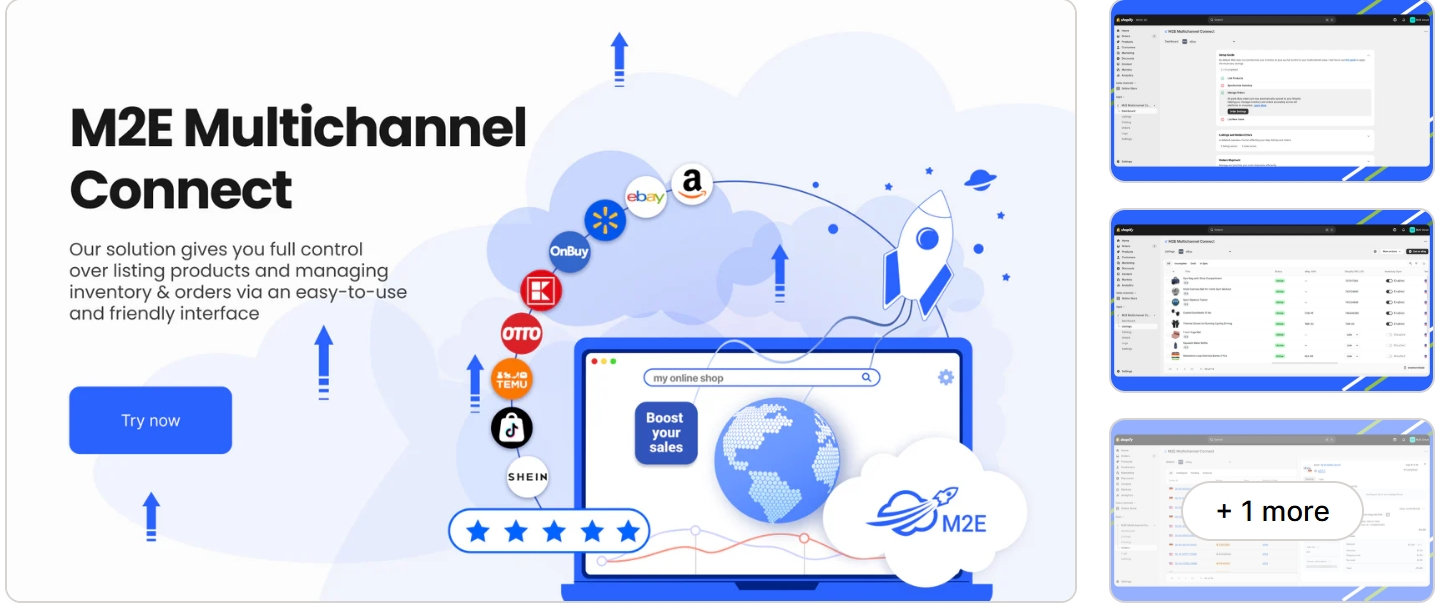
M2E Multichannel Connect is a Shopify app for multi-channel selling. It helps you list products, sync inventory and pricing, and manage orders across marketplaces like Amazon, eBay, Walmart, TikTok Shop, and Temu from one dashboard.
Best for
Merchants who want to scale across multiple marketplaces with automated workflows and centralized control.
Key features
- Multichannel product listing and catalog management
- Real-time inventory & price sync across all the channels
- Centralized Shopify-based order management
- Automatic order and stock updates to prevent overselling
- Advanced features like eBay Motors fitment and marketplace compliance tools
Pricing
Free to install. Paid plans start at $39/month, based on sales volume and usage. Free trial available.
Ideal store type
Merchants selling on multiple marketplaces, managing large or growing catalogs, or expanding into global channels.
3. ShipStation (Best for Fulfillment & Shipping Automation)
What it is
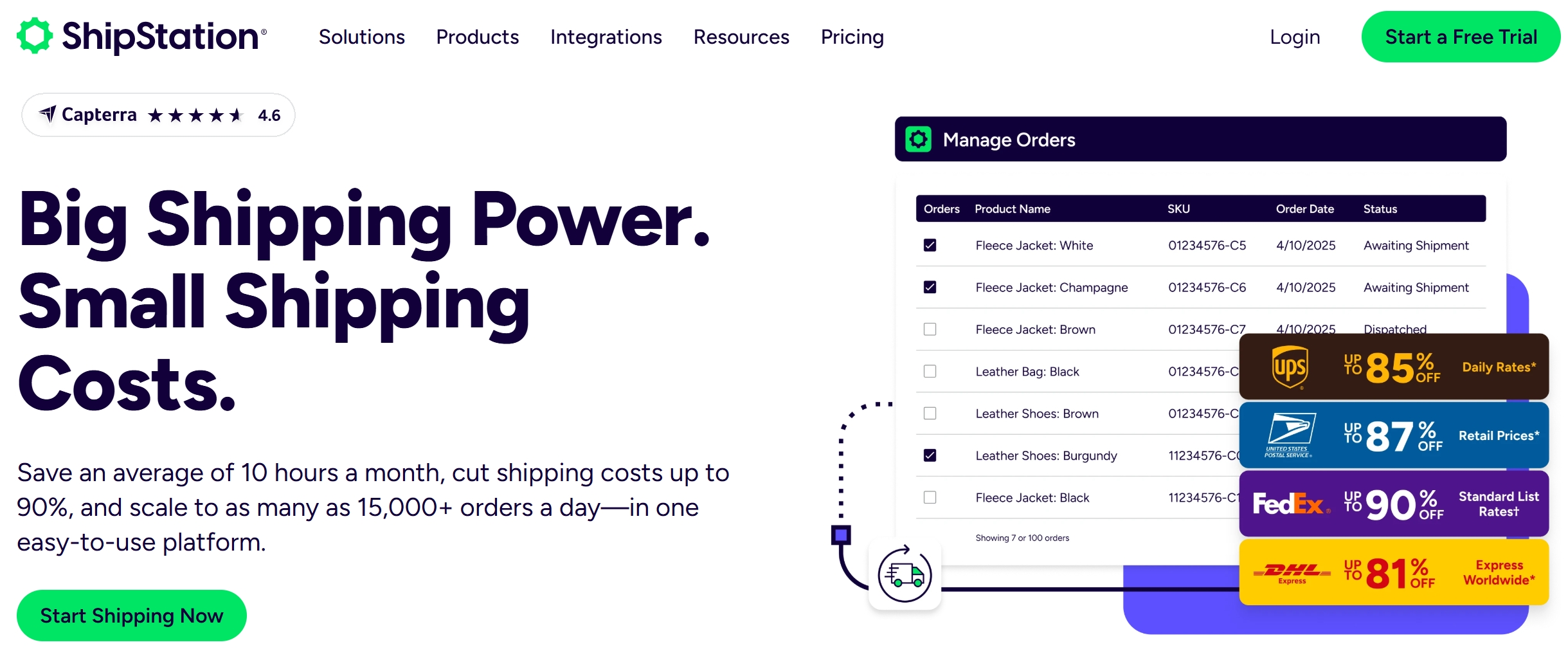
A shipping and fulfillment platform that helps manage orders, automate workflows, and optimize delivery across multiple carriers and sales channels.
Best for
Streamlining logistics and reducing shipping costs for multi-channel stores.
Key features
- Centralized order management
- Shipping automation rules
- Carrier rate comparison
- Discounted shipping rates
- Real-time tracking updates
Pricing
Starts at $14.99/month with scalable plans.
Ideal store type
Stores with growing order volumes and complex fulfillment needs.
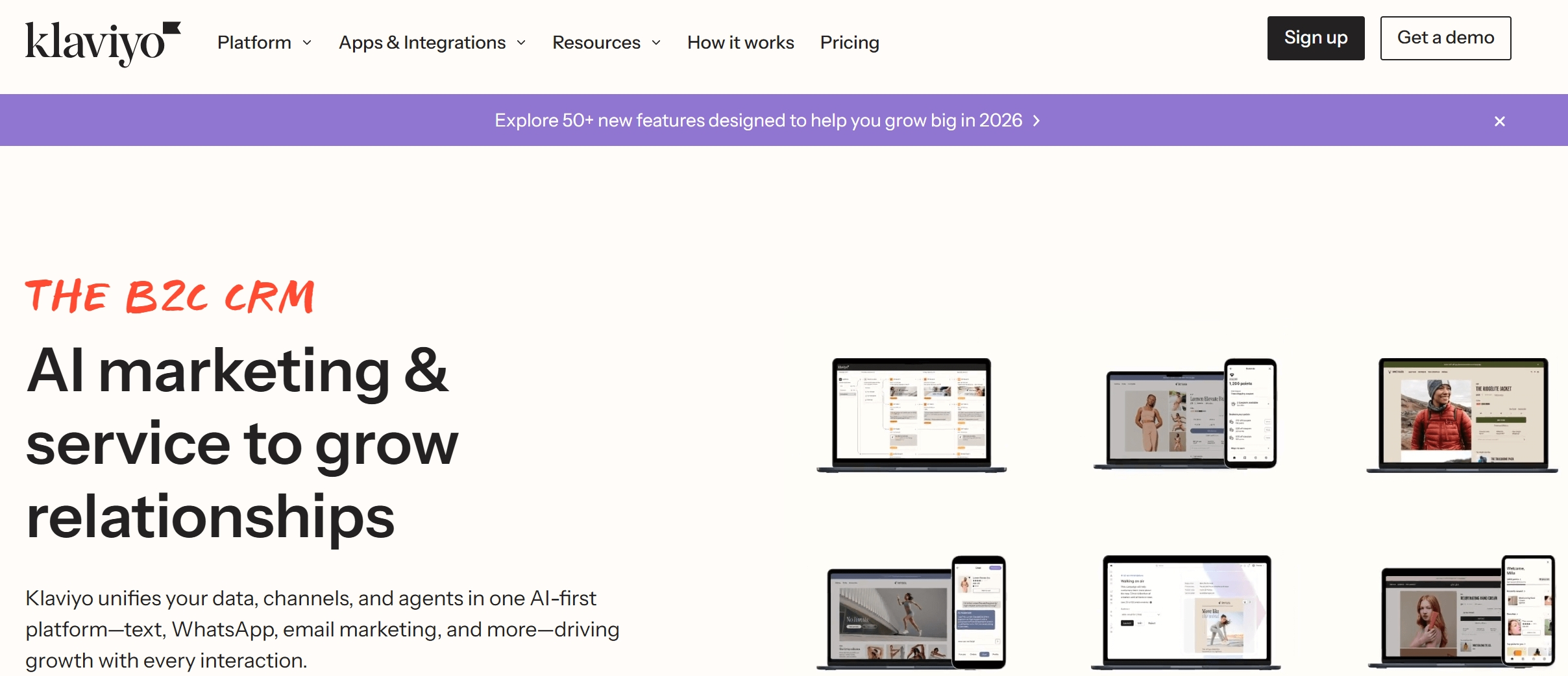
4. Klaviyo (Best for Retention & Multi-Channel Marketing)
What it is
A marketing automation platform that helps Shopify stores manage email and SMS campaigns across multiple customer touchpoints.
Best for
Customer retention and lifecycle marketing.
Key features
- Email and SMS automation
- Advanced segmentation
- Personalized messaging
- Campaign analytics
Pricing
Free plan available; paid plans scale with the number of contacts.
Ideal store type
Stores focused on increasing repeat purchases and customer lifetime value.
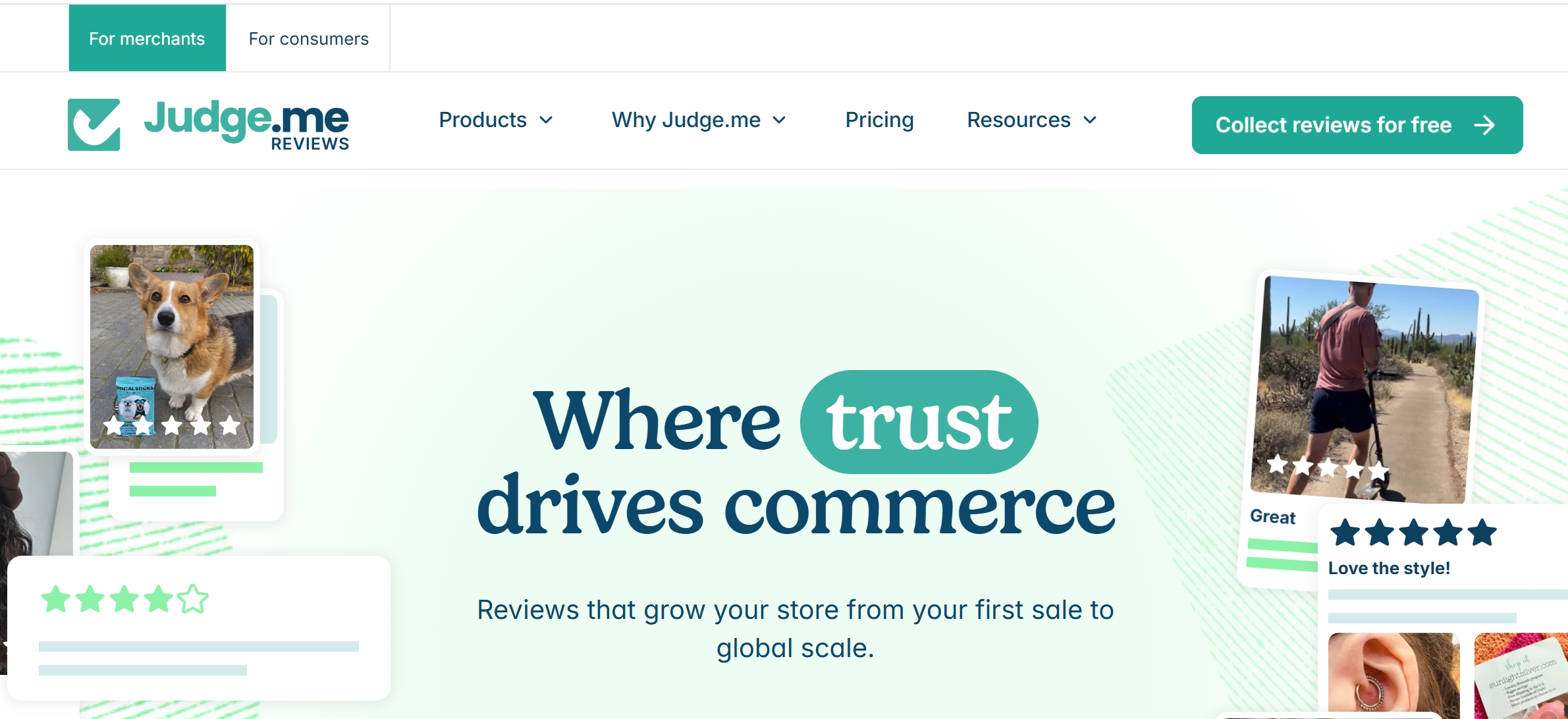
5. Judge.me (Best for Trust & Social Proof Across Channels)
What it is
A review platform that collects and displays customer feedback, helping build trust across all sales channels.
Best for
Improving conversions through social proof.
Key features
- Product reviews
- Photo and video reviews
- Automated review requests
- SEO-rich snippets
Pricing
Free plan available; paid plans from $15/month.
Ideal store type
Stores looking to build credibility quickly.
6. ReConvert (Best for Post-Purchase Revenue Expansion)

What it is
A post-purchase optimization tool that turns thank-you pages into revenue-generating funnels.
Best for
Increasing average order value after checkout.
Key features
- Thank-you page funnels
- Upsell and cross-sell offers
- AOV optimization
- Funnel customization
Pricing
Starts at $19.99/month.
Ideal store type
Stores looking to maximize revenue from existing customers.
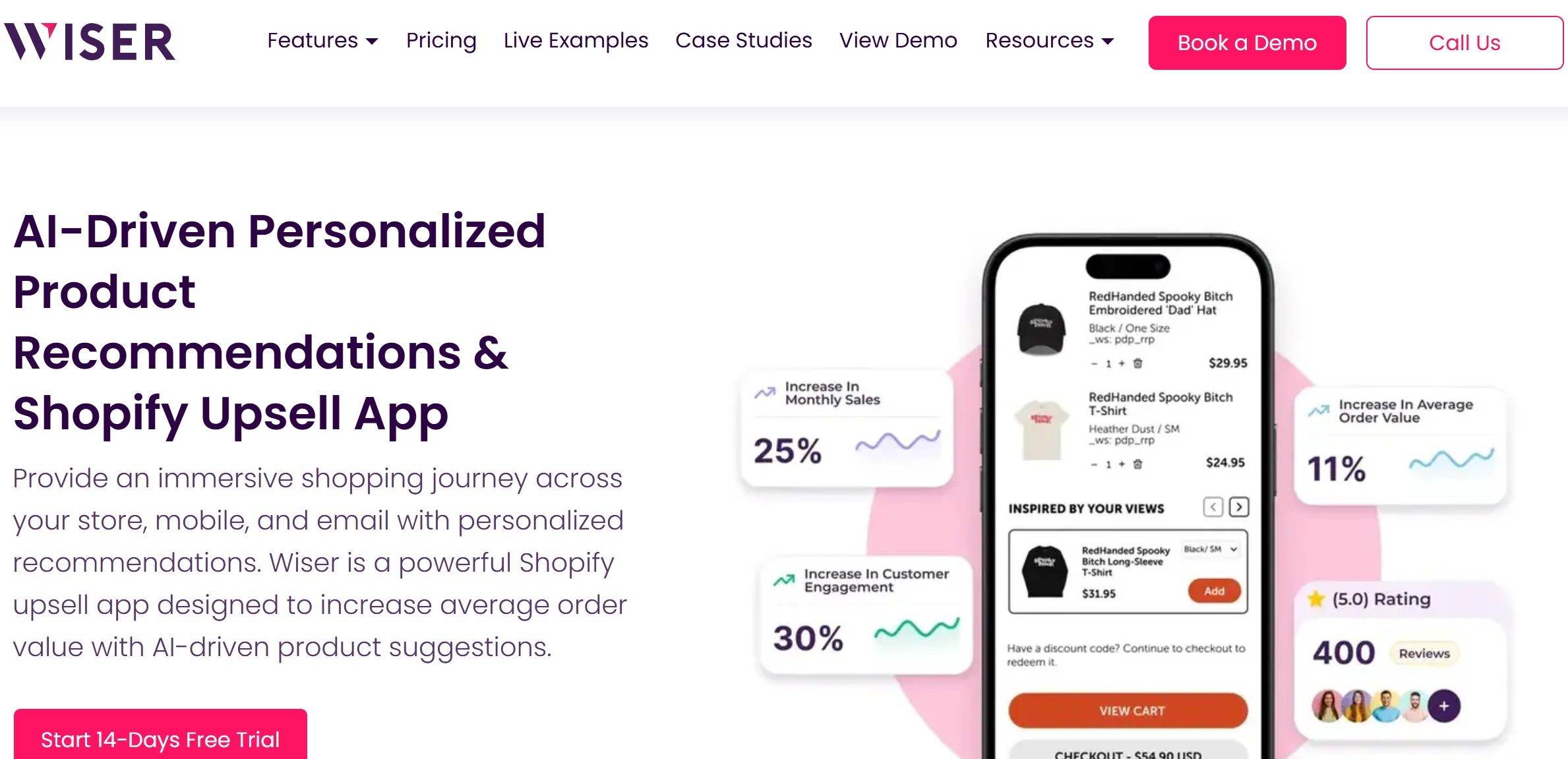
7. Wiser (Best for AI Product Recommendations & Upselling)
What it is
An AI-powered recommendation engine that personalizes product suggestions across your store.
Best for
Upselling and cross-selling through personalization.
Key features
- AI-driven recommendations
- Frequently bought together
- Upsell widgets
- Analytics dashboard
Pricing
Free plan available; paid plans based on usage.
Ideal store type
Stores with large product catalogs and strong upsell potential.
How These Apps Work Together (System Thinking)
The goal is not to pile up as many apps in front of customers. It’s to create an efficient, connected, multi-channel system, where every tool has a clear function.
A simple way to think about it
- Channel management → M2E Multichannel Connect
- Fulfillment → ShipStation
- Conversion → Zipchat
- Marketing → Klaviyo
- Trust → Judge.me
- Revenue expansion → ReConvert, Wiser
Each app solves one problem. Together, they create a smooth workflow – from multi-channel selling to repeat purchase.
Orders are a data flow from several scattered channels into a single system. This allows fulfillment to be automated, customers to be engaged in real time, and revenue to be maximized at every step of the journey.
Top-performing stores don’t use more apps; they use connected systems that increase efficiency.
ROI Section (Efficiency + Revenue Impact)
Multi-channel apps impact both revenue and profitability.
Core formula
Revenue = Traffic × Conversion × AOV
Profit = Revenue – Time Cost – Tool Cost
Example Scenario
- Visitors: 60,000
- Conversion rate: 2% → 2.7%
- Average Order Value (AOV): $75
Before: $90,000
After: $121,500
Increase: +$31,500
Add efficiency gains
- 15–25 hours/week saved through automation
- Reduced customer support workload
- Fewer operational errors (inventory, orders, fulfillment)
Multi-channel apps don’t just grow revenue, they improve profitability by saving time, reducing costs, and increasing conversion efficiency.
Diagnostic Framework
If your multi-channel store is underperforming, this simple framework helps identify what’s wrong and how to fix it:
| Problem | Cause | Fix |
| Inventory issues | No sync between channels | Use M2E Multichannel Connect |
| High traffic, low sales | No guided shopping | Use Zipchat |
| Shipping delays | Manual fulfillment | Use ShipStation |
| Low retention | No follow-ups | Use Klaviyo |
Technical Considerations
Before building your multi-channel stack, make sure your setup supports long-term efficiency:
- Integrations: APIs should connect apps and sales channels seamlessly
- Analytics: Track performance across all platforms in one dashboard
- Data sync: Keep inventory, orders, and customer data consistent
- User-friendly interfaces: Tools should be easy to manage daily
- App compatibility: Avoid conflicts, duplication, and slow performance
A strong technical foundation ensures your apps work as a system—not as isolated tools.
Future Outlook (2026+)
Multi-channel commerce is evolving quickly, and automation is leading the way:
- AI-driven multi-channel automation
- Autonomous inventory and order management
- Conversational commerce
- Predictive product recommendations
- Unified analytics across all sales channels
As these trends grow, stores that adopt connected systems early will have a clear advantage.
Conclusion
Multi-channel selling increases opportunity and also adds complexity. Shopify apps solve isolated problems, but real efficiency comes from connected systems that work together to streamline operations and improve performance.
M2E Multichannel Connect helps you automate your sales channels workflow, keep inventory and orders synced across platforms, and manage your entire multi-channel operation from one place.
Zipchat stands out as the conversion and engagement engine. It helps merchants turn multi-channel traffic into consistent revenue without increasing operational complexity.
FAQs
What are the best Shopify apps for multi-channel selling?
Top apps include Zipchat, M2E Multichannel Connect, ShipStation, Klaviyo, Judge.me, ReConvert, and Wiser. Each solves a key part of the multi-channel workflow.
How do I manage multiple sales channels efficiently?
Use a centralized system that syncs inventory, automates workflows, and connects marketing, fulfillment, and conversion tools.
Are multi-channel apps worth it?
Yes. Even small improvements in conversion and efficiency can drive significant revenue growth.