The platform you choose for your online store can significantly affect its success in the competitive e-commerce world. Among the proposals, three well-known companies stand out: Ecwid, Shopify, and WooCommerce. Each offers different features and functions customized to suit various business needs.
If you are looking for the best e-commerce platform for your online store, consider Ecwid, Shopify, or WooCommerce. To help you decide, we compared the biggest e-commerce platforms in several categories.

General Approach
Ecwid is an e-commerce platform that easily integrates with an existing website, social media business page, blog, marketplace, or mobile app. Furthermore, you can create your one-page website with Ecwid. Ecwid has a Free plan with limited features. It allows you to ease e-commerce on any website and has good features for selling in different languages and currencies.
Shopify is one of the most popular platforms for creating e-commerce websites. You can make a comprehensive online shopping experience with customized payment, various professional templates, and different payment options with Shopify. The interface is easy to use, and the design is simple so that anyone can use it. It has excellent integrations and powerful features that you can customize.
WooCommerce is an e-commerce platform that works with WordPress. It’s open-source and lets you have lots of control and customization. With an ever-growing adoption rate, WooCommerce is constantly among the highest-rated e-commerce platforms. It is a good base for creating an online store and includes important functions like product listings, shopping cart, and checkout. The company also regularly introduces and updates new features.

About 6.1 million Shopify stores represent 26% of all e-commerce websites worldwide. There are also 4.5 million WooCommerce stores (14%) and over 900,000 Ecwid stores (4%) (Builtwith).
Key Takeaway: Although Shopify has a more significant market share than Ecwid and WooCommerce, it might not work for small and medium-sized businesses. It can complicate the launch of an online store. In this case, you can focus on Ecwid and WooCommerce.

Features and Customization
Ecwid. The platform offers a user-friendly interface that focuses on simplicity, making it easy for beginners to create an online store quickly. It provides a wide range of basic functions, such as:
- Full inventory and order management.
- Integration with more than 70 third-party payment systems.
- Selection of web themes and templates.
- Automated tax calculations.
- Automated email marketing for things like abandoned carts.
- Great tools for targeted social media advertising and SEO.
- Mobile app for your store.
Nevertheless, the basic Ecwid Free plan has a limited number of features.
Shopify. It offers a complete set of features, intuitive customization tools, and an extensive app store, making it suitable for beginners and advanced users.
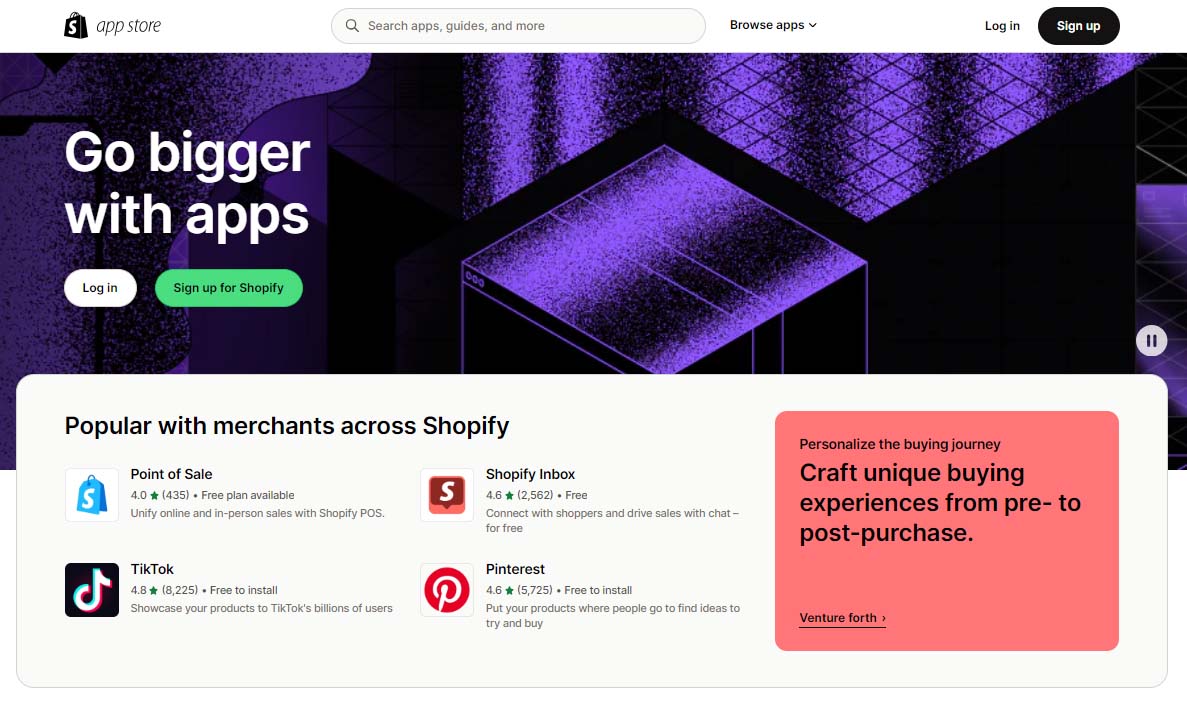
- Extensive App Store with over 6.000 apps.
- Order Management System.
- Extensive Shopify Theme Store and a wide range of plugins.
- Powerful SEO and marketing tools.
- Expert multi-channel integrations.
- Automatic calculation of shipping costs.
- Highly customizable via themes and apps, but some core code-level changes are more restricted than in open-source platforms..
Although Shopify offers a huge range of features, its customization options are limited compared to other e-commerce platforms. That can make creating a unique identity for your online store hard.
WooCommerce. WooCommerce offers a high degree of customization and flexibility as a WordPress plugin, allowing users to use the vast ecosystem of WordPress themes and plugins. It provides extensive control over the store’s design, functionality, and customization, making it suitable for users with technical knowledge who are looking for customized solutions.
- Direct integration with WordPress.
- Vast WordPress ecosystem of themes and plugins.
- A high degree of customization.
- Extensive theme options.
- Product ratings and reviews.
- Inventory and order management.
- Automated shop emails with built-in templates.
While WooCommerce offers powerful customization options, beginners might need help to set up compared to Ecwid and Shopify.
Key Takeaway: Ecwid and WooCommerce are the most similar compared to Shopify. They both have plugins that can be added to an existing website. Meanwhile, Shopify enables you to create a store from scratch.
Ecwid is suitable for those willing to pay for a great online store builder, exceptional customer support, and good built-in features for selling in places other than WordPress.
WooCommerce is a great platform for advanced users who need extensive customization.
Pricing and Free Trials
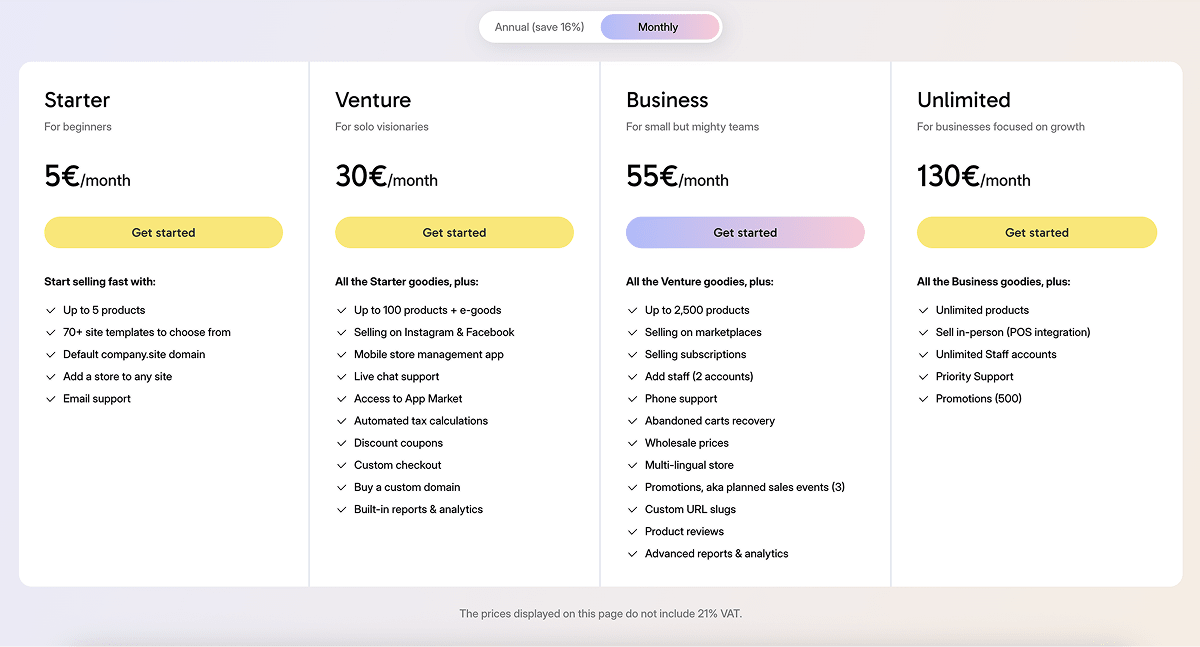
Ecwid. The motto is “Start selling for free. Upgrade whenever.” When you sign up, you get a Free plan that covers the essentials and you can use it as long as you like. It lets you test the platform and decide which paid features your business needs.
From there, you can upgrade to paid tiers. Starter is €5 per month with up to 5 products. Venture is €30 per month with up to 100 products and support for digital goods. Business is €55 per month with up to 2,500 products plus advanced tools like marketplace selling, subscriptions, staff accounts, phone support, and abandoned cart recovery. Unlimited is €130 per month with unlimited products, POS integration, and priority support. Prices are region-based and shown before VAT. An annual subscription is available and saves about 16 percent.
Shopify. Shopify has different pricing options. Shopify Lite is for small businesses, while Shopify Plus is for big companies with advanced needs. Prices may vary by store location.
You can try a free trial for 3 days and get the first 3 months of access for $1 per month. You can choose annual access with a discount as well.

WooCommerce. WooCommerce is a free WordPress plugin, so you do not pay for the software itself, but you will still need hosting, a domain name, and any premium themes or extensions you choose. If you want an all-in-one, managed setup, WooCommerce now points users to the WordPress Commerce plan or to vetted WooCommerce hosting partners. Purchases made on WooCommerce.com include updates and developer support for the included extensions, while the broader platform relies on documentation and community resources for most troubleshooting. This model gives you complete control and extensive customization, with costs determined by your hosting plan and the paid add-ons you install.

Key Takeaway: Shopify plans are usually pricier than Ecwid and WooCommerce. But the features you receive compensate for the cost of Shopify. These include 24/7 support, recovering abandoned carts, analyzing fraud, and more.
Ecwid and WooCommerce are both good website builders for small businesses looking to reduce costs. These are good choices for launching your store in the e-commerce market.
Support and Community
Ecwid. Ecwid offers support through several channels like email, chat, and help center. They assist with technical issues, setup, and general inquiries. However, support options depend on your Equity plan. If you have the Free or Venture plans, you can also get help from the Ecwid admin for payment. The Business and Unlimited plans include several free hours of support.
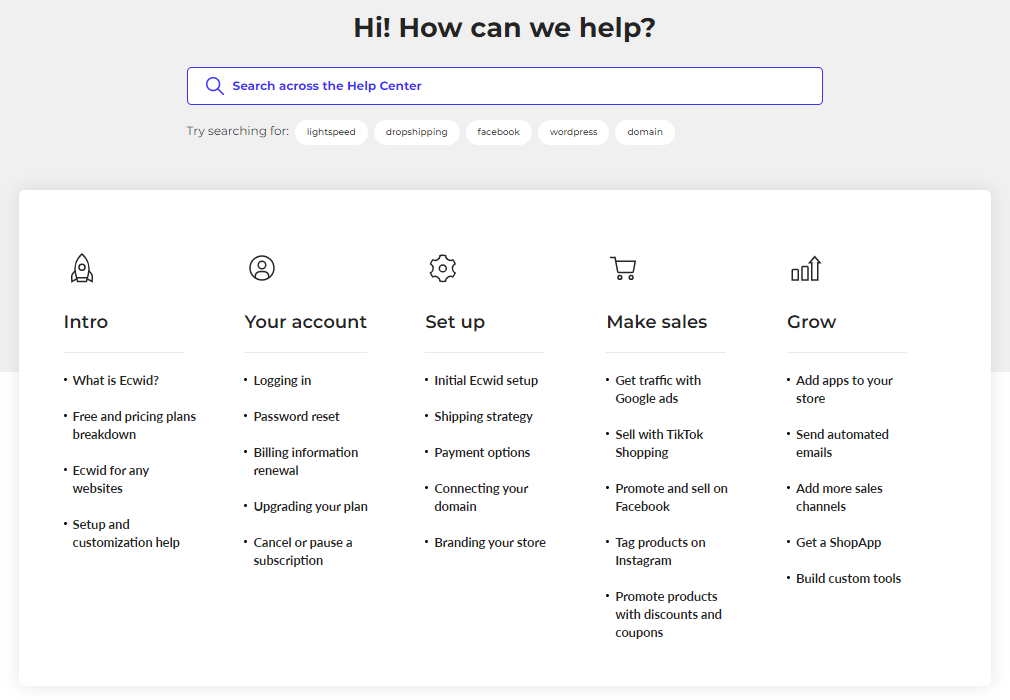
Speaking about community, Ecwid has an e-commerce Blog, Show podcast, and even the Academy with business courses.
Shopify. The motto of Shopify customer support is ”The help you need, when you need it.” The platform offers 24/7 customer support through various channels like phone, email, live chat, and help center. Assistance is available at all times.
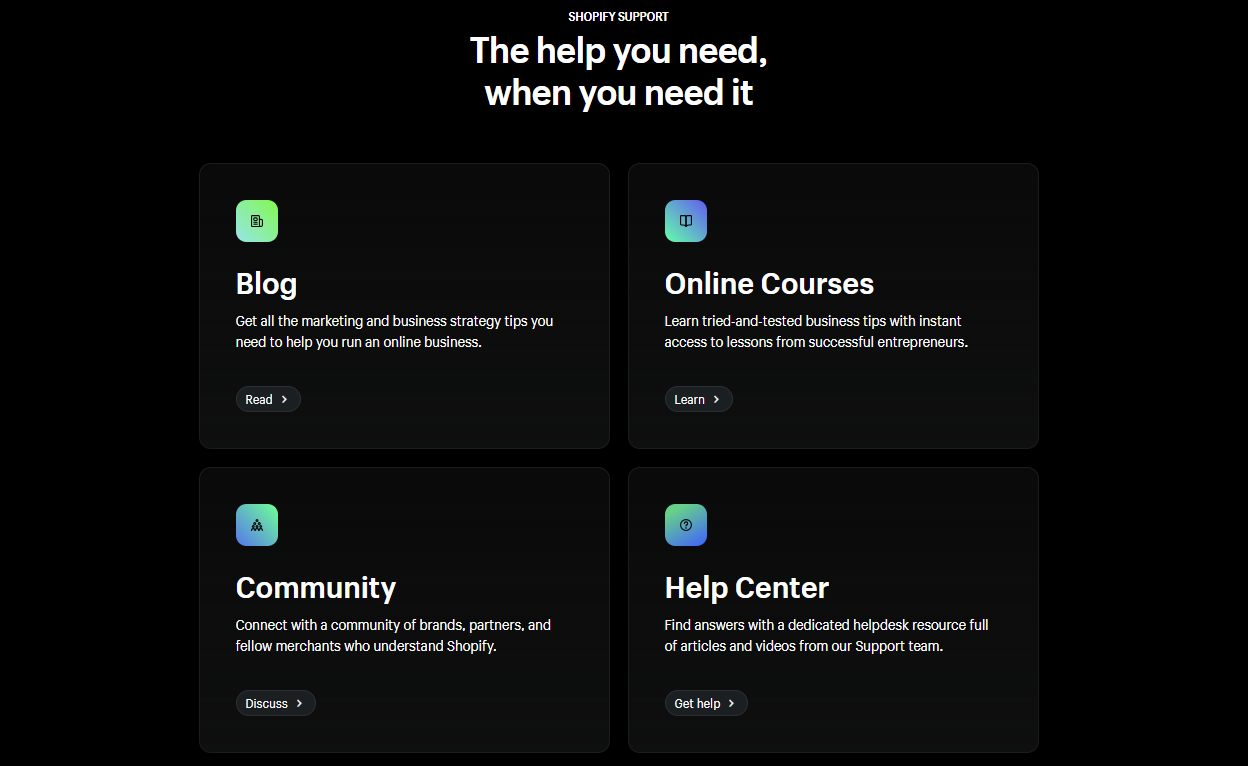
Shopify has a large community, including Blog with marketing and business tips, Online Courses from successful entrepreneurs, and Help Center with a virtual assistant. Also, there is Shopify Community where entrepreneurs, business owners, makers, and partners share ideas, tips, and solutions.
WooCommerce. WooCommerce doesn’t have the customer support that Ecwid or Shopify do. Customers can refer to the knowledge base and Self-Service Guide. Customers who have purchased ready-to-use website templates for WordPress and WooCommerce can contact the developers directly.
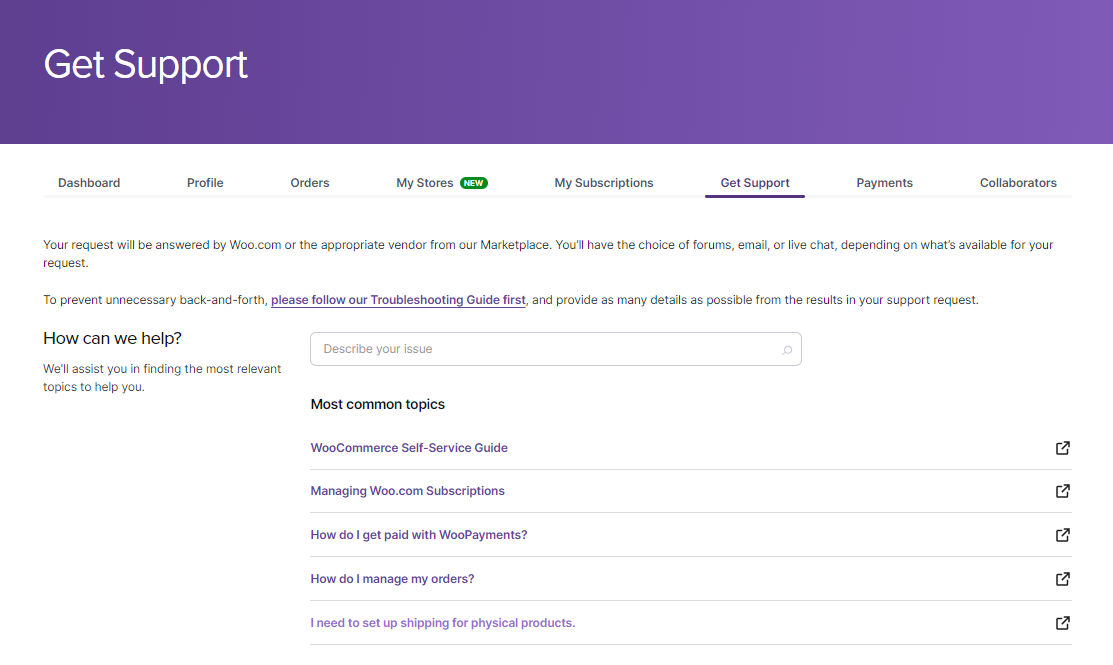
As an open-source platform, the platform relies on community-driven support channels. WooCommerce has an active community, including developers, business owners, designers, and e-commerce enthusiasts. The platform becomes more functional when people add plugins, themes, and translations and improve the code.
Key Takeaway: Support and community aspects often affect user experience. Shopify’s 24/7 support and active community could appeal to those who prefer direct assistance. Meanwhile, WooCommerce relies on its community for help, providing resources for users who can manage solutions. Ecwid is in the middle, offering fast support but less community involvement.
Integrations
If you sell on eBay, Amazon, TikTok Shop, Temu, Shein, Walmart, and more and want to integrate your marketplace with Ecwid, WooCommerce, or Shopify stores, M2E Cloud makes it simple. Try a 30-day free trial and discover the benefits of integrating your online store with leading marketplaces.

Ecwid easily integrates with various platforms such as Facebook, Instagram, and WordPress, providing flexibility for multichannel sales. The platform has its own App Market. It includes tools and extensions that will improve your store’s functionality.
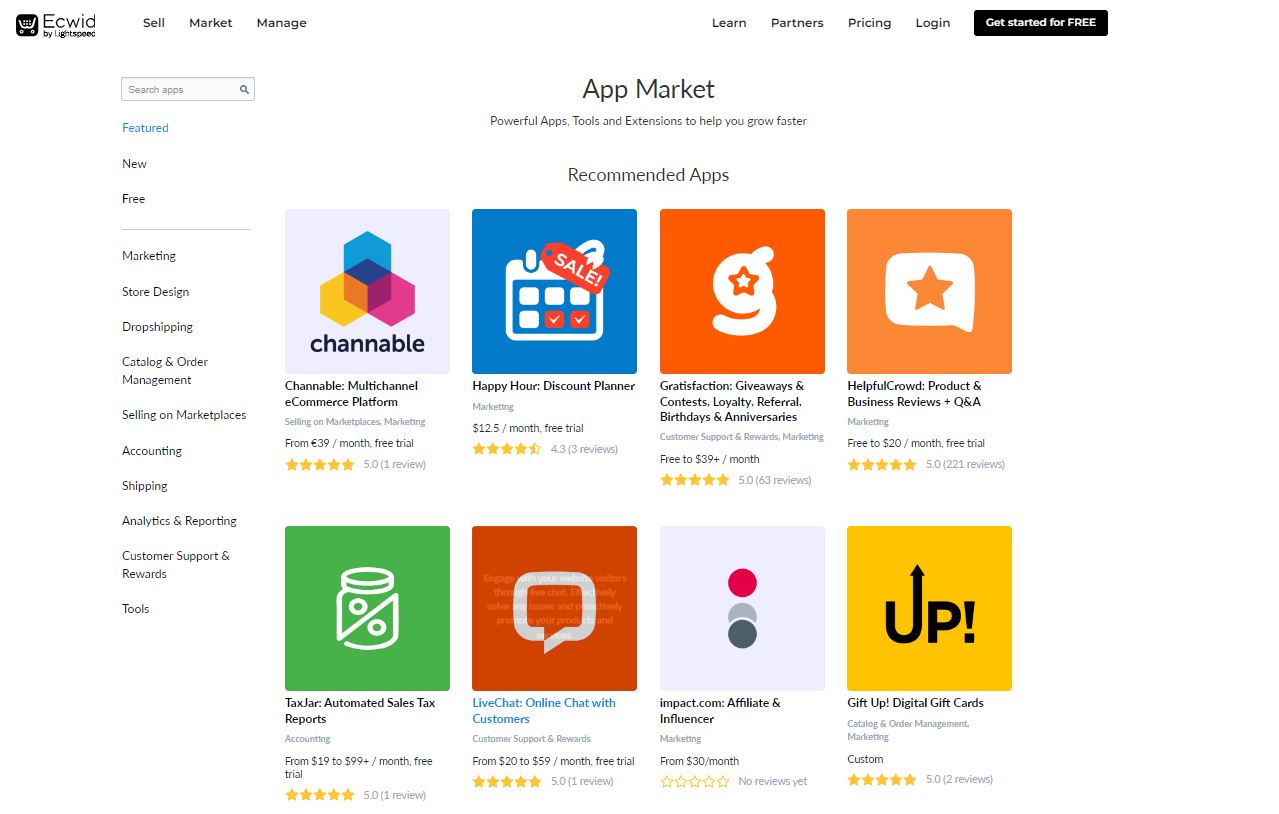
Ecwid also integrates with more than 70 third-party payment systems, so an option is available regardless of location.
Shopify also has its App Store with a range of integrations and add-ons to enhance the functionality of e-commerce stores. Businesses can choose from several apps to add features, such as social media marketing tools, customer service solutions, etc.
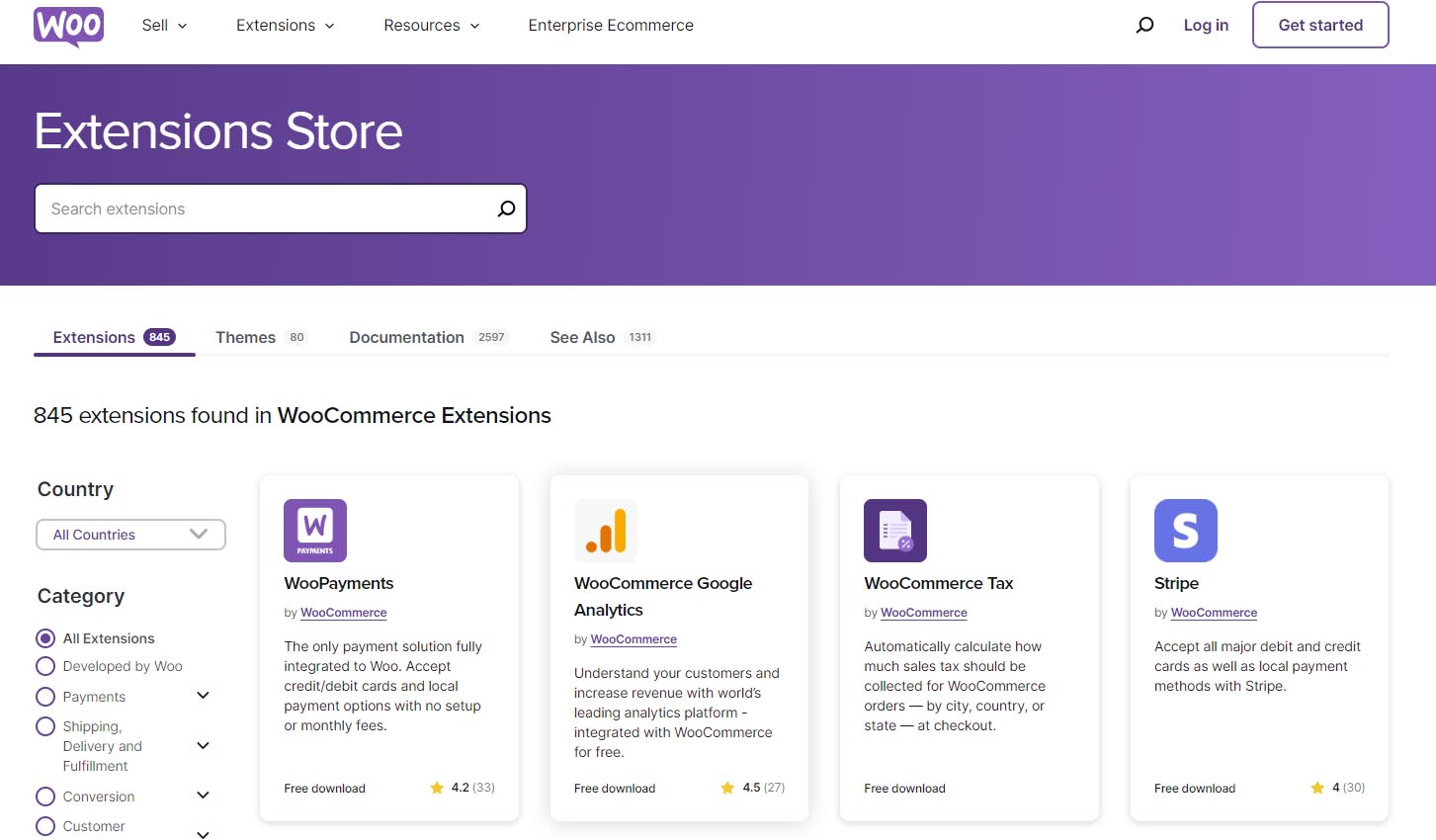
WooCommerce provides an extensive library of WordPress plugins, offering integrations to improve functionality. Plugins and extensions can enhance your accounting, marketing, and social media connections. Moreover, the WooCommerce API is open and well-documented.
Key Takeaway: When choosing a platform, consider business needs, technical skills, scalability, and e-commerce requirements. If extensibility and integrations are essential to your business, WooCommerce is second to none.